Dr. Laura Catena founds the Catena Institute of Wine.
Catena Cuttings project starts. Massale Selections and 135 Malbec Cuttings described and preserved.
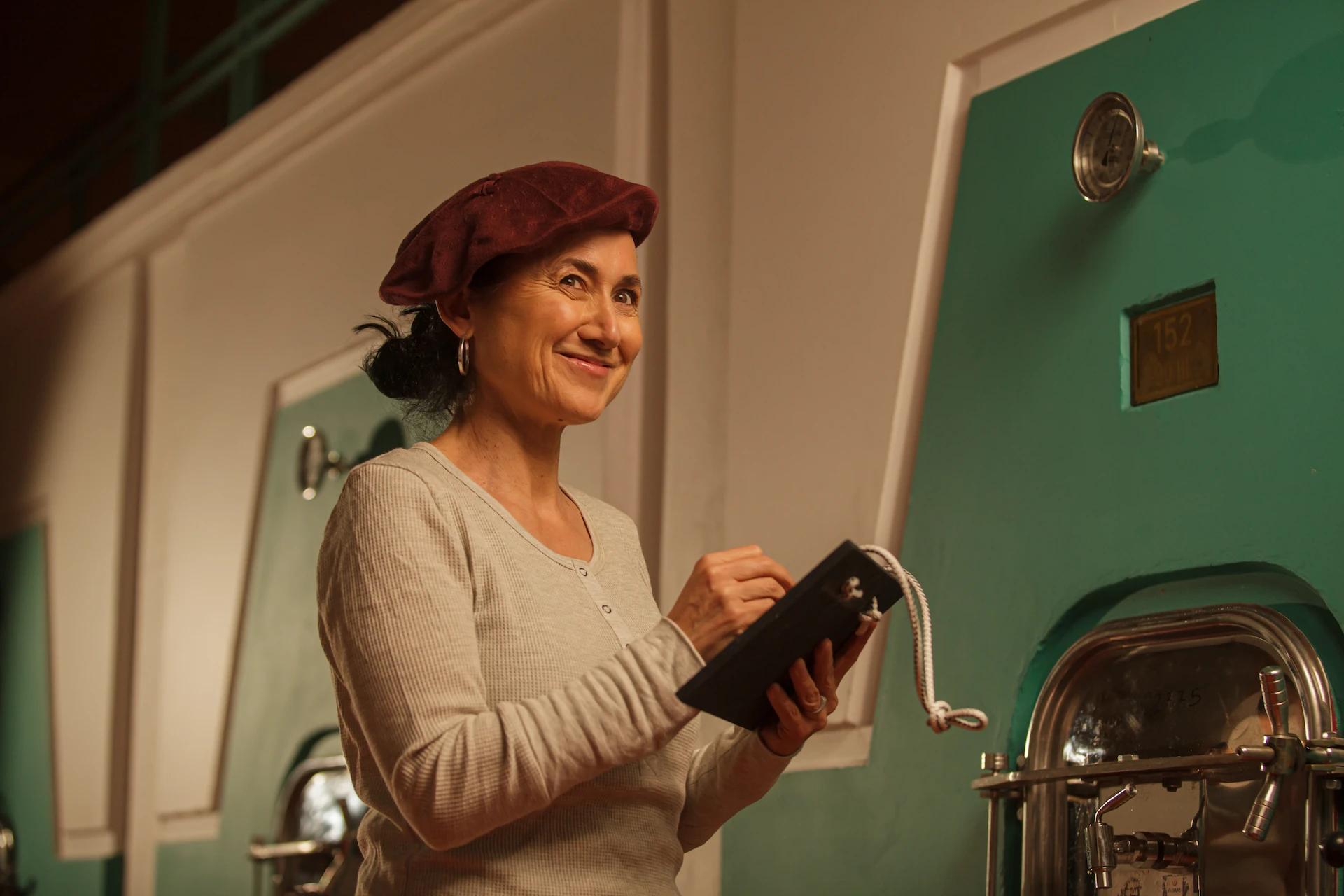
"I founded the Catena Institute of Wine in 1995 with the idea of using science to elevate our wines and our regions. I realized that we didn’t have four hundred years to discover the best terroirs, like the Cistercian monks in Burgundy had. My father and I committed to building a research team and undertaking thousands of microvinifications to understand what needed to change and what didn’t. We had a single goal in mind: to make Argentine wines that could stand with the best of the world, 'Grand Cru' level wines."
To make Argentine wine that stand among the best in the world.
To elevate Argentine wine for another 200 years.
Science to preserve nature and culture.

Dr. Laura Catena founds the Catena Institute of Wine.
Catena Cuttings project starts. Massale Selections and 135 Malbec Cuttings described and preserved.

Alejandro Vigil becomes the first full-time researcher at the Catena Institute of Wine.

High-altitude research begins in collaboration with the Agronomy Department of Universidad Nacional de Cuyo.

Vineyard exploration and planting beyond Mendoza in new areas such as Salta and La Rioja.
Five “Catena Cuttings” are planted at the Foundation Plant Services (UC Davis).
Fernando Buscema becomes full time Director of the Catena Institute

Terroir project begins in collaboration with UC Davis.
Record of +2000 microvinifications at CIW’s Experimental Winery.

Adrianna’s PGPR bacteria paper is published.
Together with Bodegas de Argentina the Catena Institute of Wine develops Argentina’s first Sustainability Protocol.

Co-authored with R. Boulton (UC Davis), the Terroir Project’s 1st paper is published in Food Chemistry and The American Journal of Enology and Viticulture (Buscema et al. 2015).
Vineyard exploration expands into Patagonia.

The Catena Institute of Wine plants the Viñedo Supersónico (Supersonic Vineyard – Argentine Genetic Diversity Vine Nursery).
Septentrion project is launched in partnership with Université de Bourgogne.

Scientific Reports Nature publication co-authored with IBAM: one of the most extensive terroir chemistry study ever undertaken.

1st edition of Catenamics.
Comprehensive virus survey co-published with INTA (Gomez Talquenca et al).
Collaboration with CITRA, Universidad de Talca began, helping us further improve water management in our vineyards.

The “Old Vintages” project is introduced in partnership with UC Davis and University of Bordeaux.
The 15th International Terroir Congress is held in Mendoza and co-organized by the Catena Institute of Wine.
Swipe to explore
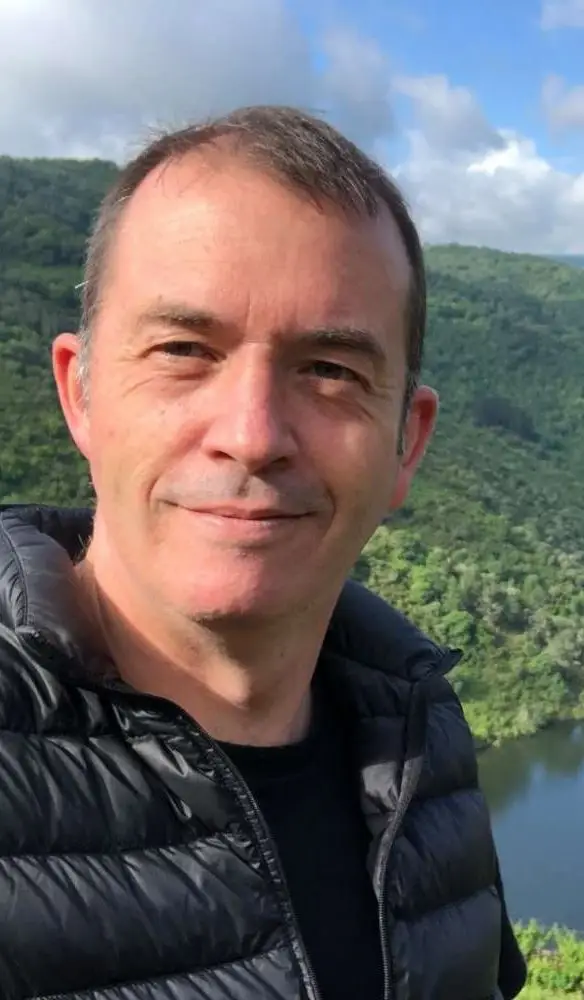
The Catena Institute of wine is full of smartness - it's smart to improve quality by credible, goal-directed research; it's smart to engage the viticulture and winemaking team in doing science projects; and it's also smart to give something back to the region and wine industry at large by publishing the results of this work. It's asking questions and providing answers that few others are.
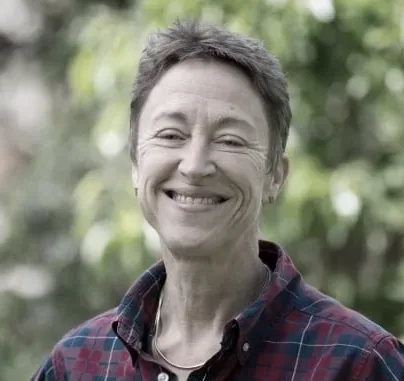
It is great to see a winery that is so committed to investing in long-term research and working with academic institutions to unravel some of the complex mysteries that contribute to the quality and distinctiveness of wine.
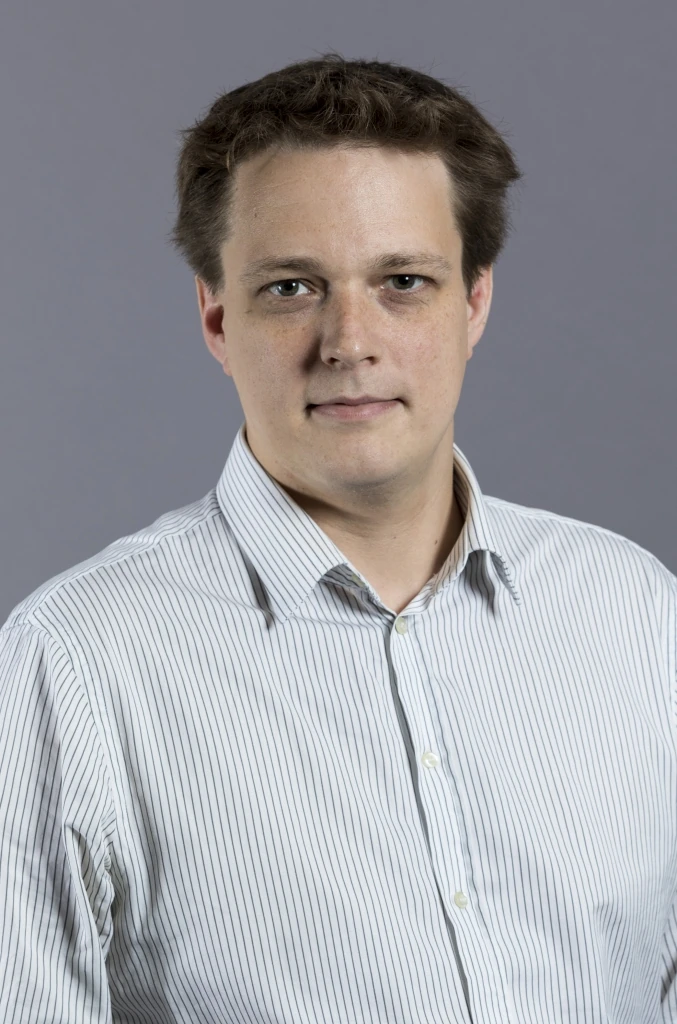
The world’s most highly regarded wine producers have always struck the right balance between tradition, art, science and innovation. CIW’s finds this balance – in particular it’s commitment to objective scientific enquiry both internally and with collaborators is evident across its operations and sets an aspirational benchmark for other wine producers.
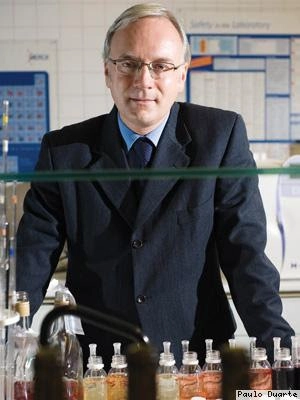
CIW is an inspiring initiative bent on widening knowledge of wine science, steered by the unique market perspective of a world-class player.
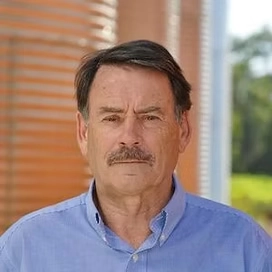
Discovery-focused research is driven by curiosity, and the Catena Institute of Wine is arguably the most curious private research organization in the world of grapes and wines. Their projects have a common thread of wanting to understand the effects of climate, site and practices on the formation and delivery of flavor molecules and their sensory perception.
Swipe to see more
Swipe to see more