Skip to main menu

Preservation of Nature

"We are committed to preserving the nature that surrounds us, which includes genetically diverse vineyards that are more resilient to climate change." Dr. Laura Catena
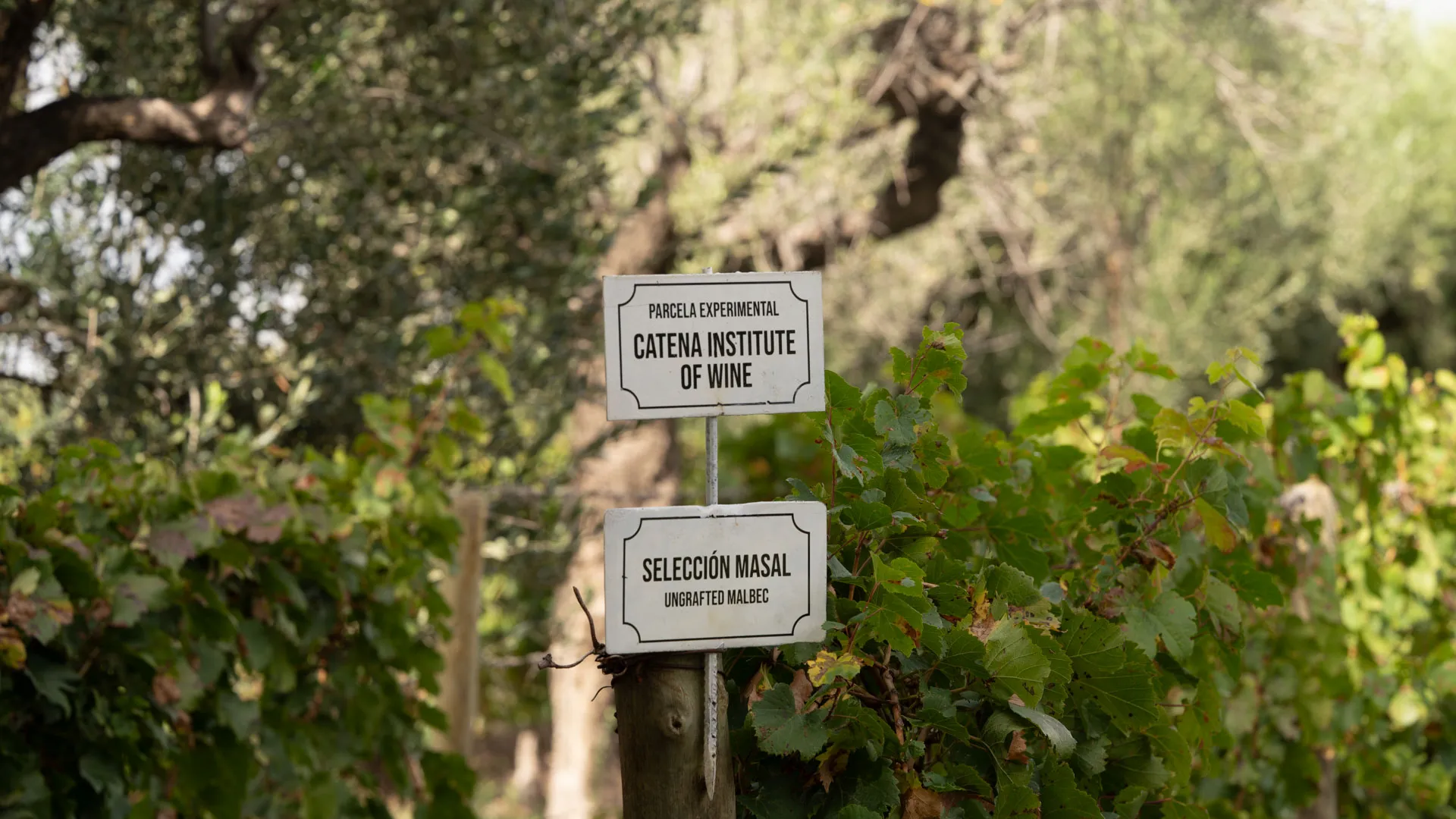
Clonal and Massale Selection
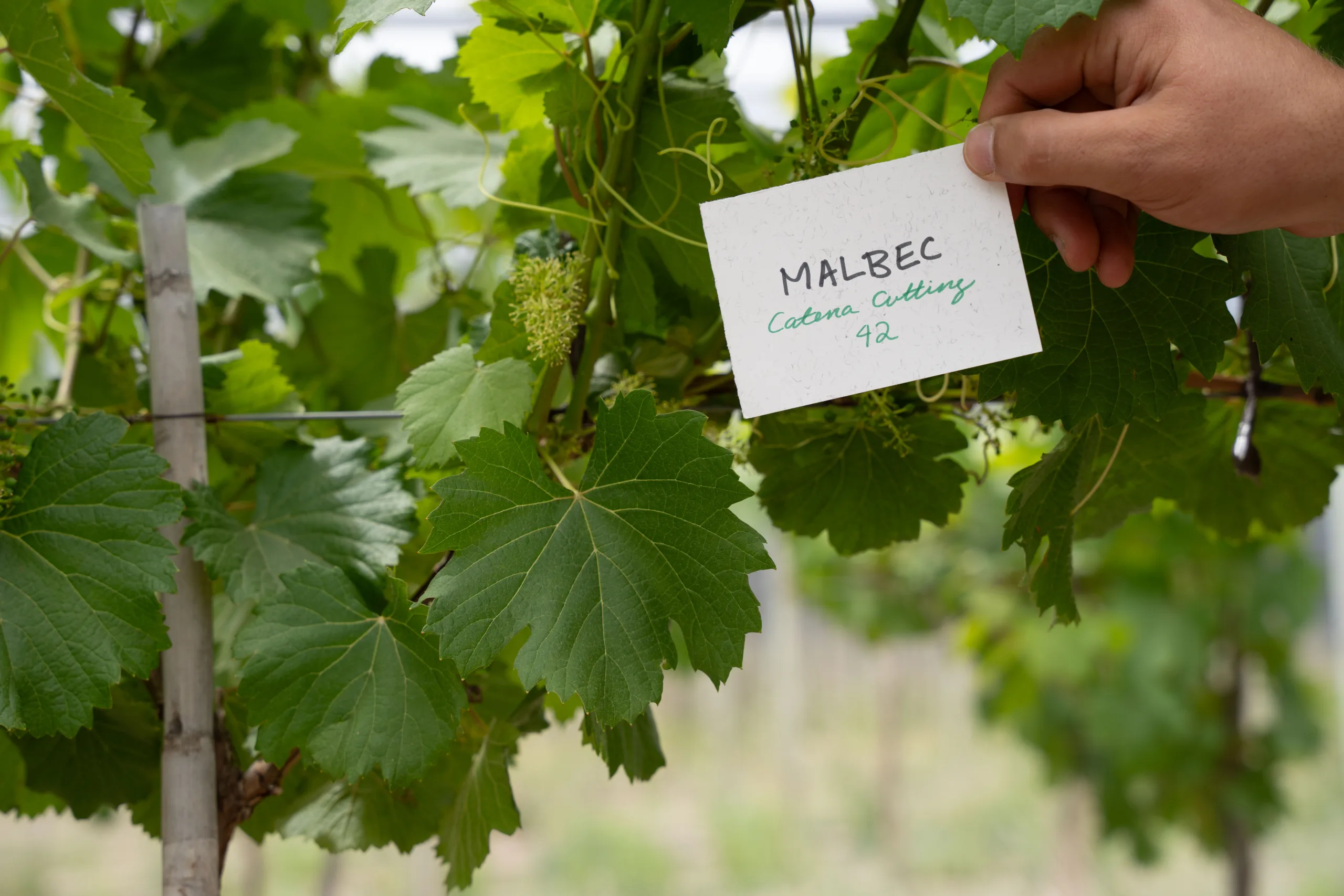
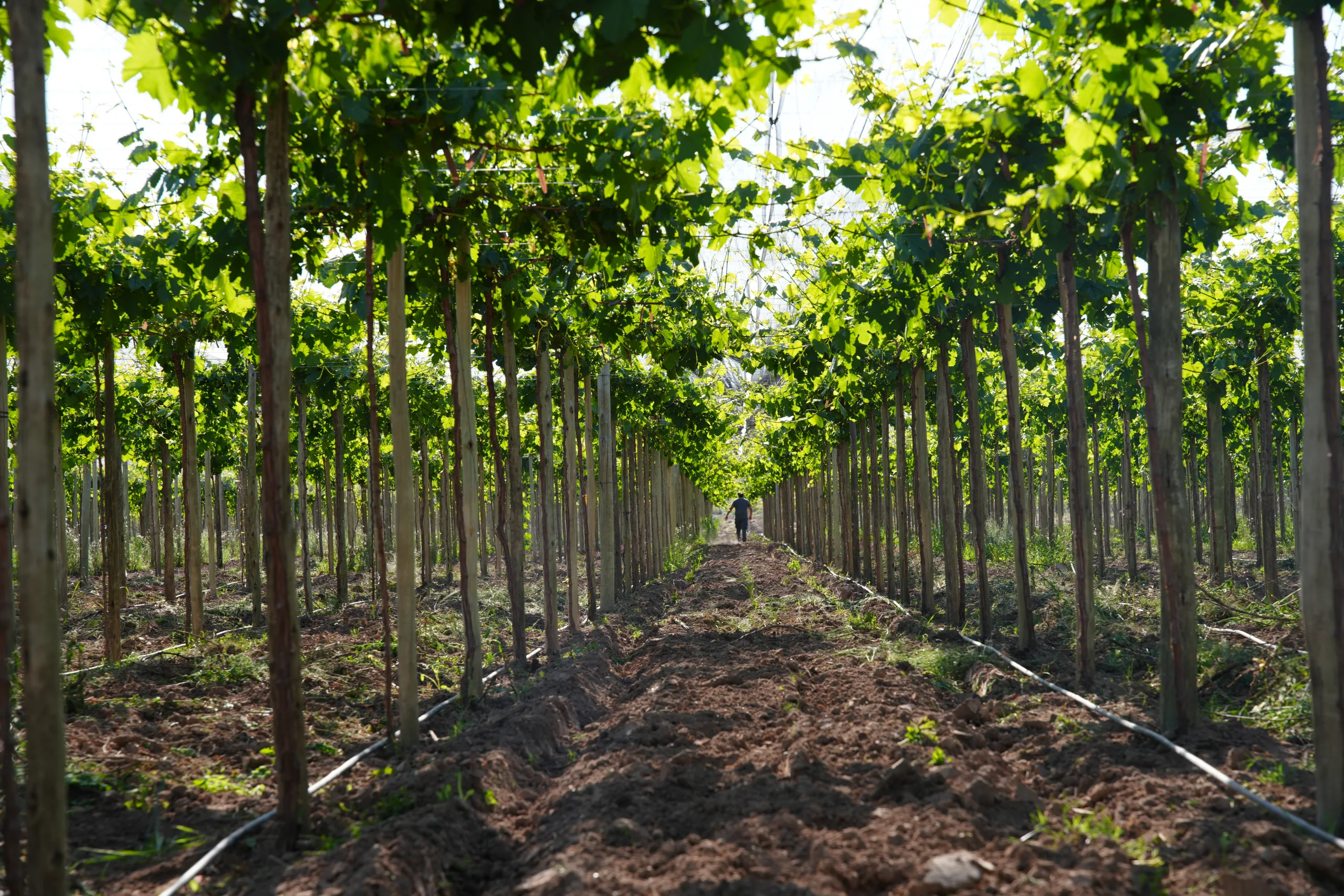
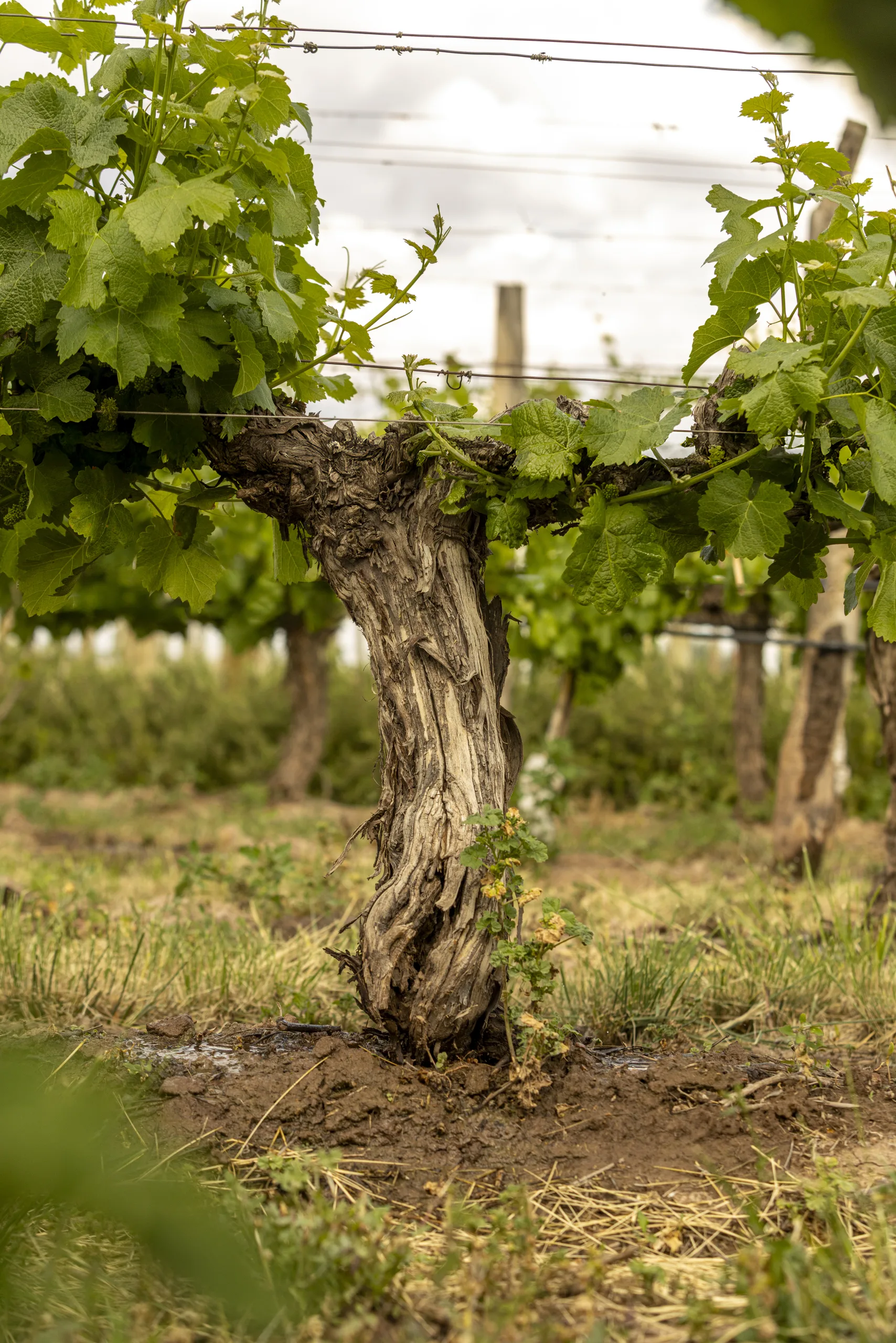
Argentina is unique in the genetic diversity preserved in much of its vine material. About 89% of the country’s vineyards are massale selected (think heirloom vines) and ungrafted. This genetic diversity may hold the key to climate change adaptation and vineyard threats.

Catena Cuttings

Many years ago, Nicolás Catena Zapata set out to produce wines that could stand among the best in the world; he understood that plant material and its quality were key to achieving his goal. In 1995, the Catena Institute of Wine began its founding project: The Catena Cuttings.

Healthy Vineyards for the Future

Viruses can have a detrimental effect on the quality of grapes, especially in relation to color and aromas; viruses can disturb the ripening process and lower quality and yields.

To map the incidence of the 10 most widespread viruses worldwide, we conducted a collaborative study with specialist Dr. Gomez Talquenca at the INTA Phytovirology Laboratory, analyzing samples from 26 plots across 11 vineyards in Mendoza. Findings (Gómez Talquenca et al, 2023) revealed that vineyards in the Uco Valley region had a lower incidence of the various viral strains detected in Mendoza. Inspired by this study and based on its results, we established our Supersonic Vine Nursery – Viñedo Supersónico – to cultivate virus-free plants.

Old Vines

“The genetically diverse, heritage vines that we have in our family are precious – we call them the family heirlooms. We have planted the massale selection from Angélica in all of our vineyards, and we think these vines are an essential part of the distinctive flavor of our family’s Malbecs. These vines not only represent a moment in history but are also a world reservoir of genetic diversity.” – Dr. Laura Catena.

Malbec: from Mendoza to California

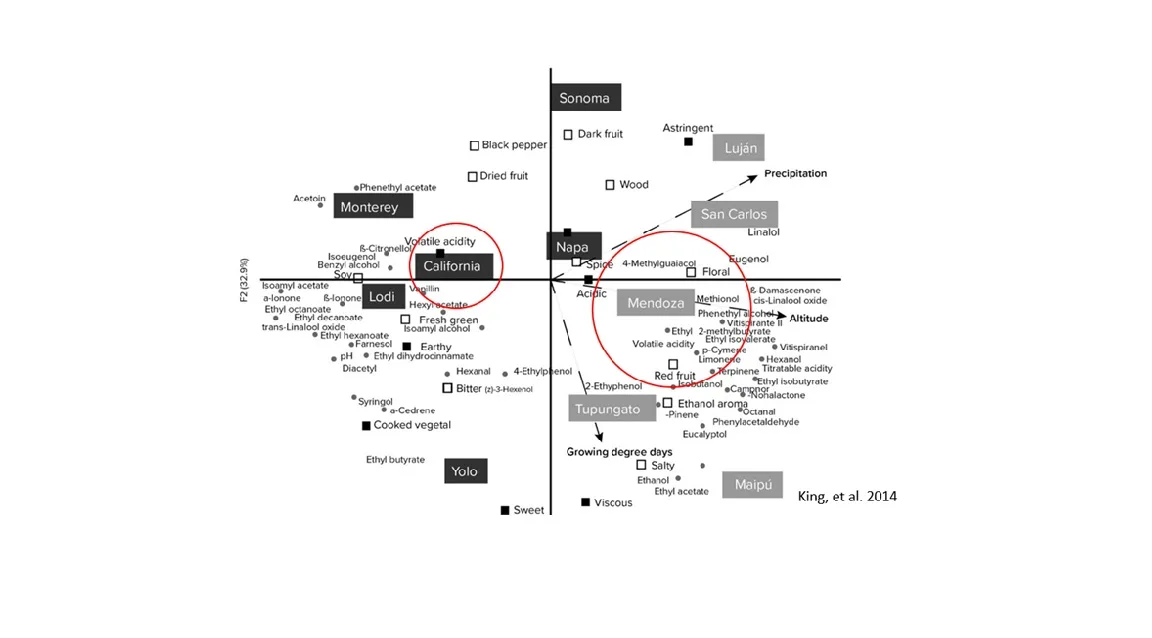
This project began in 2010 in collaboration with Dr. Roger Boulton from UC Davis, with the goal of understanding how grape origin influences the chemical and sensory profile of Malbec wines from Mendoza and California.

The study compared vineyards and wines from different geographical indications in Mendoza and AVAs in California, across two countries and two hemispheres. The results showed that Malbec can express unique chemical and sensory characteristics in both regions. However, Mendoza wines were associated with a greater number of sensory descriptors, suggesting a higher level of complexity.

Terroir and its persistance across vintages
“Mendoza is one of the few places in the world with strikingly different wine terroirs within short distances” Dr. Gregory Jones

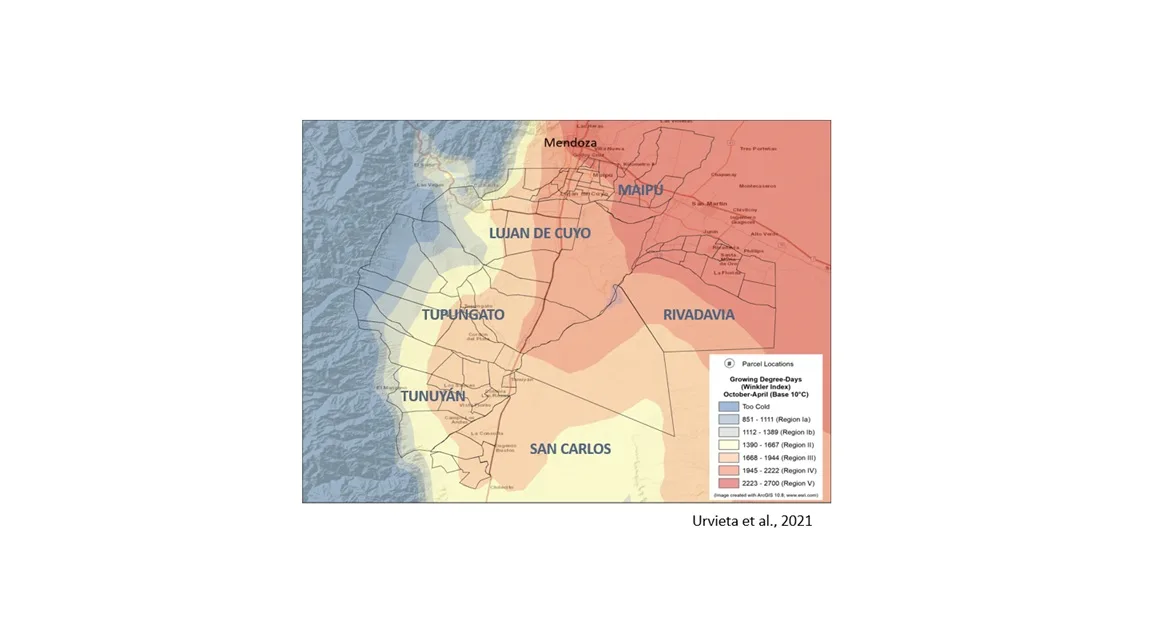
Mendoza offers ideal conditions to study terroir on a large scale. Its diversity of climates and soils, at the same latitude and across relatively short distances, makes it possible to compare very different winegrowing environments within a single region.

The Winkler Index thermal map seen on the left published in Urvieta et al., (2021) shows how temperature shapes grape growing across Mendoza. Within just 90 minutes, it is possible to drive from the warm Eastern region to the cool, high-altitude Adrianna Vineyard in the Uco Valley, moving from Winkler Region V to Region I.


Cracking the Age Code

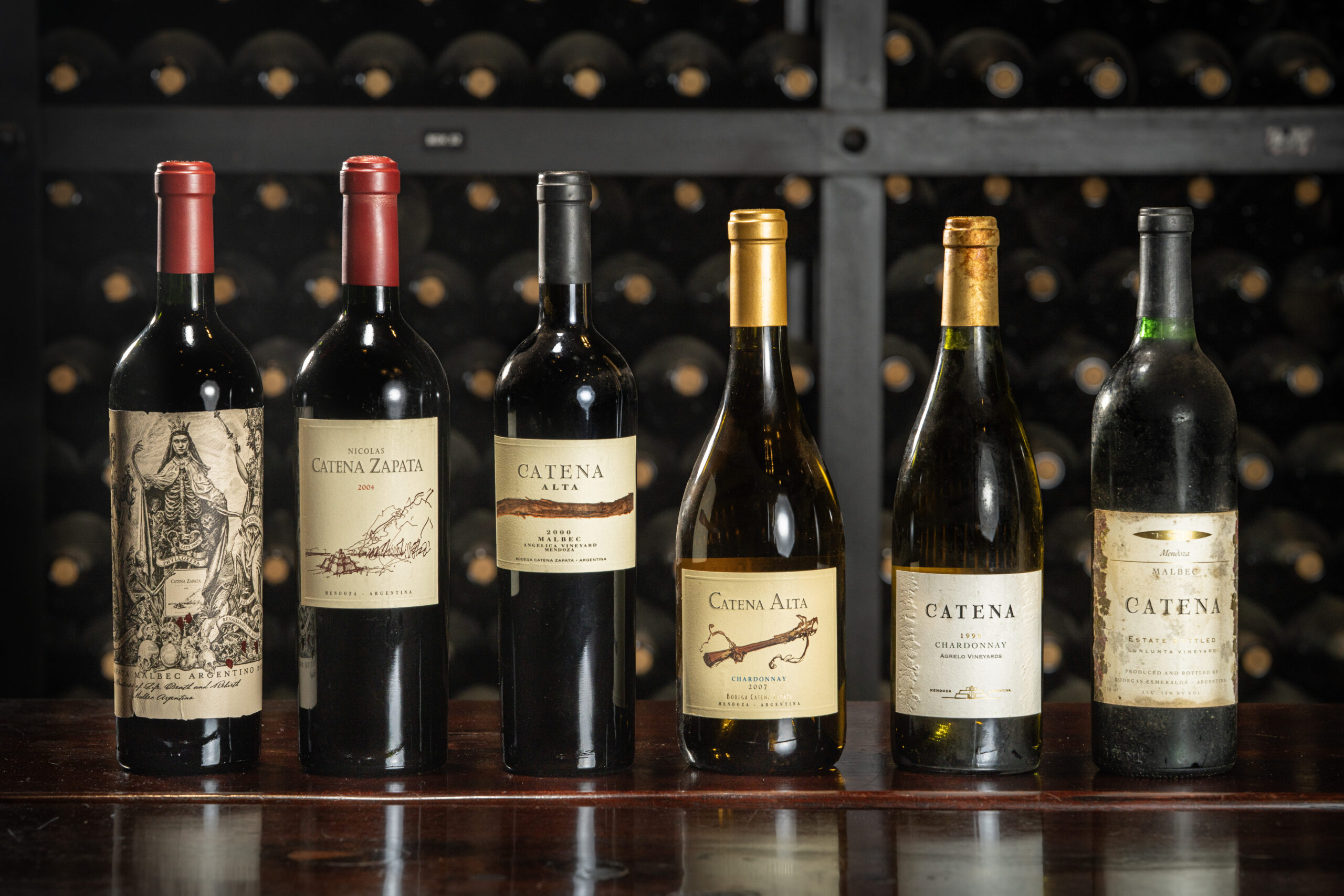
In a study conducted in partnership with Dr. Roger Boulton and Dr. Hildegarde Heymann from UC Davis, 41 parcels of Malbec and their evolution of aromatic profiles were evaluated over time, to understand whether the differences observed between Malbecs from different plots and regions at the time of bottling were preserved with age.

Maintaining typicity, is one of the generally accepted characteristics of a great wine. However, not much has been done to evaluate typicity in other regions, and the evolution of wine after the third year of aging in any grape varietal’s wine.