Adrianna Vineyard
Known As The Grand Cru of South America
Initiated by Dr. Laura Catena in the mid-1990’s, extensive studies of the Adrianna Vineyard, its soil, high altitude climate, microbial population, ecosystem and plant selections have been published by the Catena Institute of Wine, leading Dr. Jamie Goode, wine science writer, to declare:
“Adrianna is possibly the world’s most studied vineyard.”
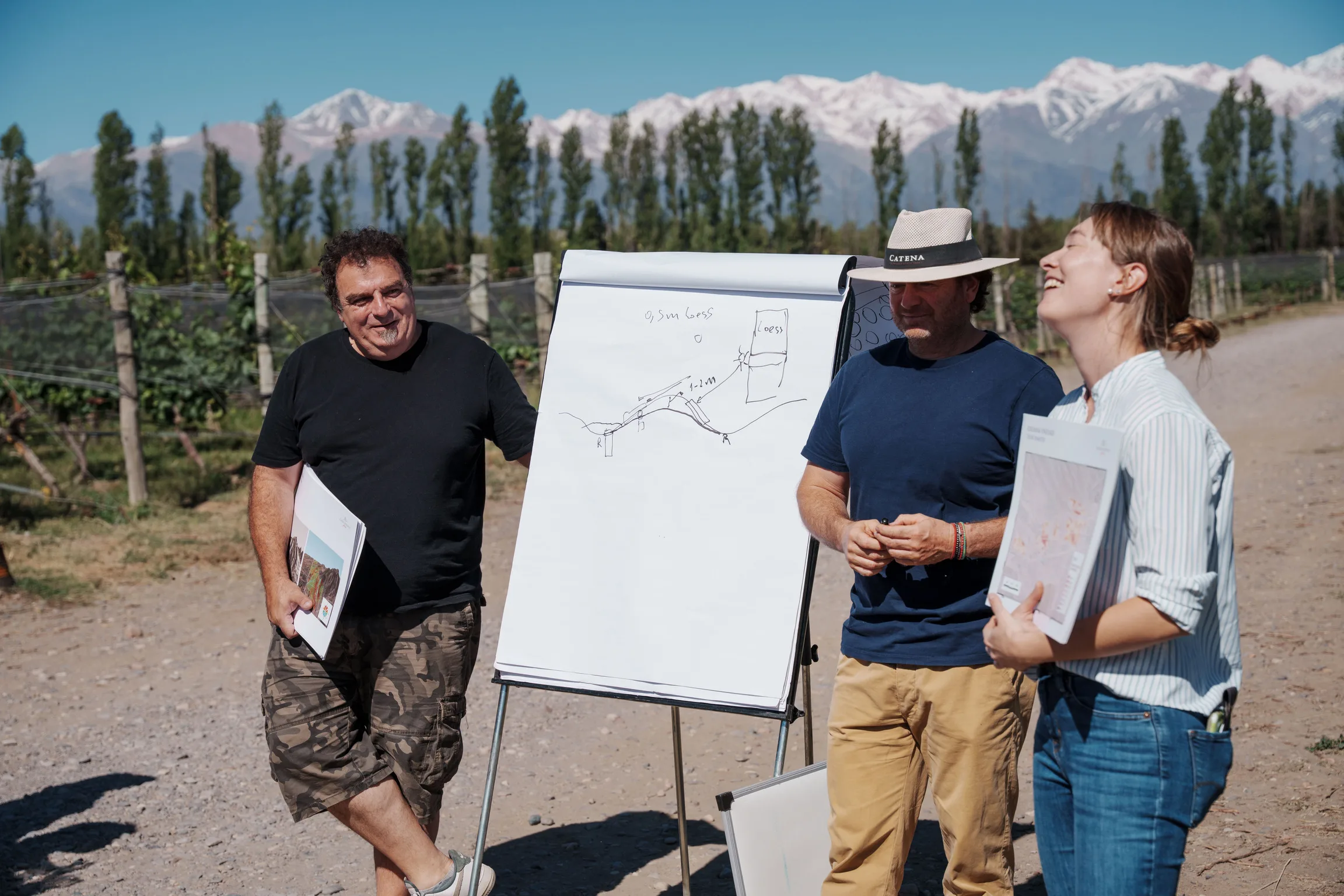
Adrianna's Vineyard Soil
The soils of Adrianna, in Gualtallary (Uco Valley), are highly diverse because they were formed through ancient processes of deposition and erosion of alluvial material from the Andes. The vineyard is incredibly heterogeneous, even across very short distances.
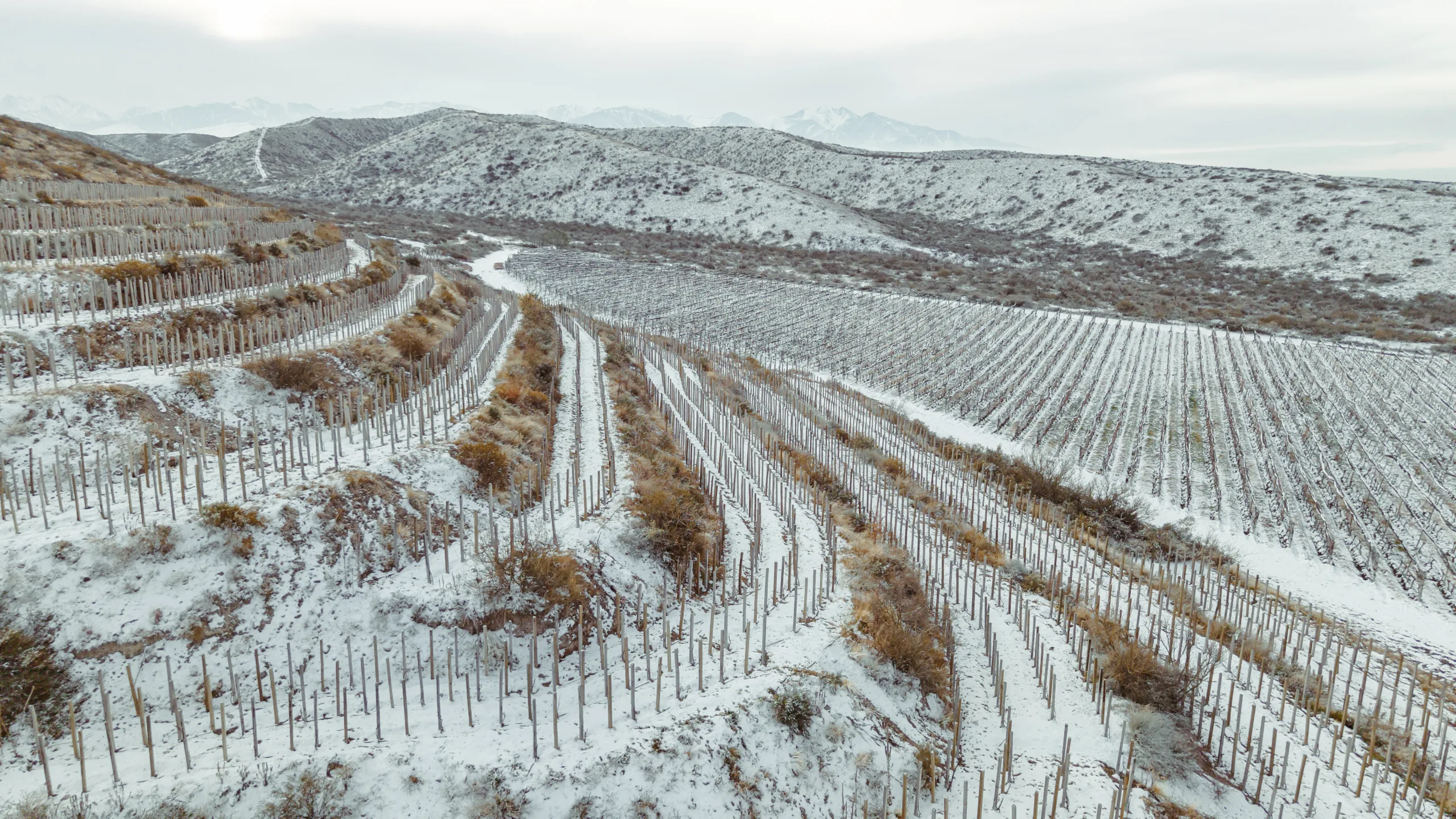
It is crossed by dry river beds, areas rich in limestone and calcium carbonate and soils of varying depth. A range of elevations, sunlight exposure, slope gradient and orientation result in distinctive and one of a kind characteristics of each parcela.
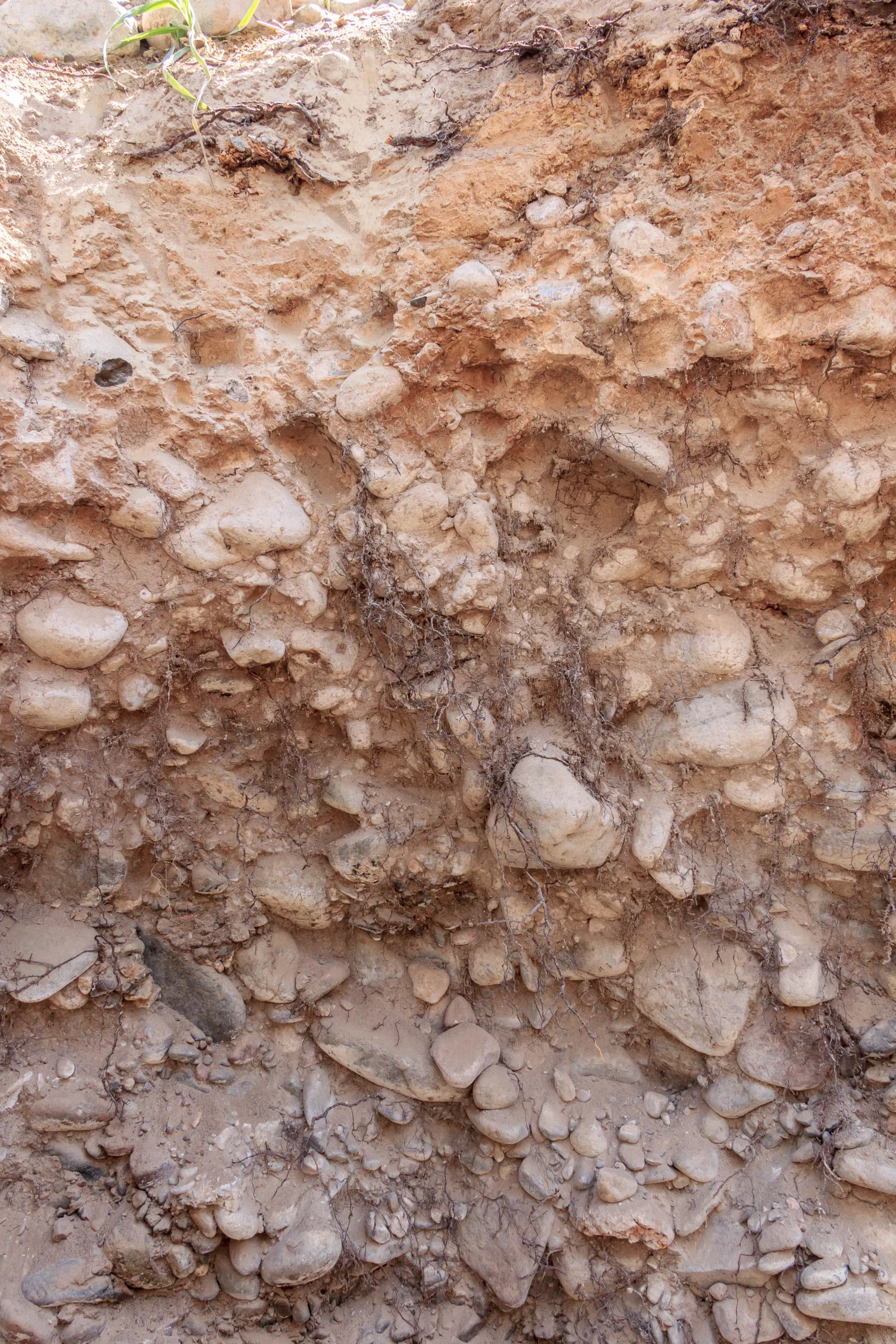
Soil composition
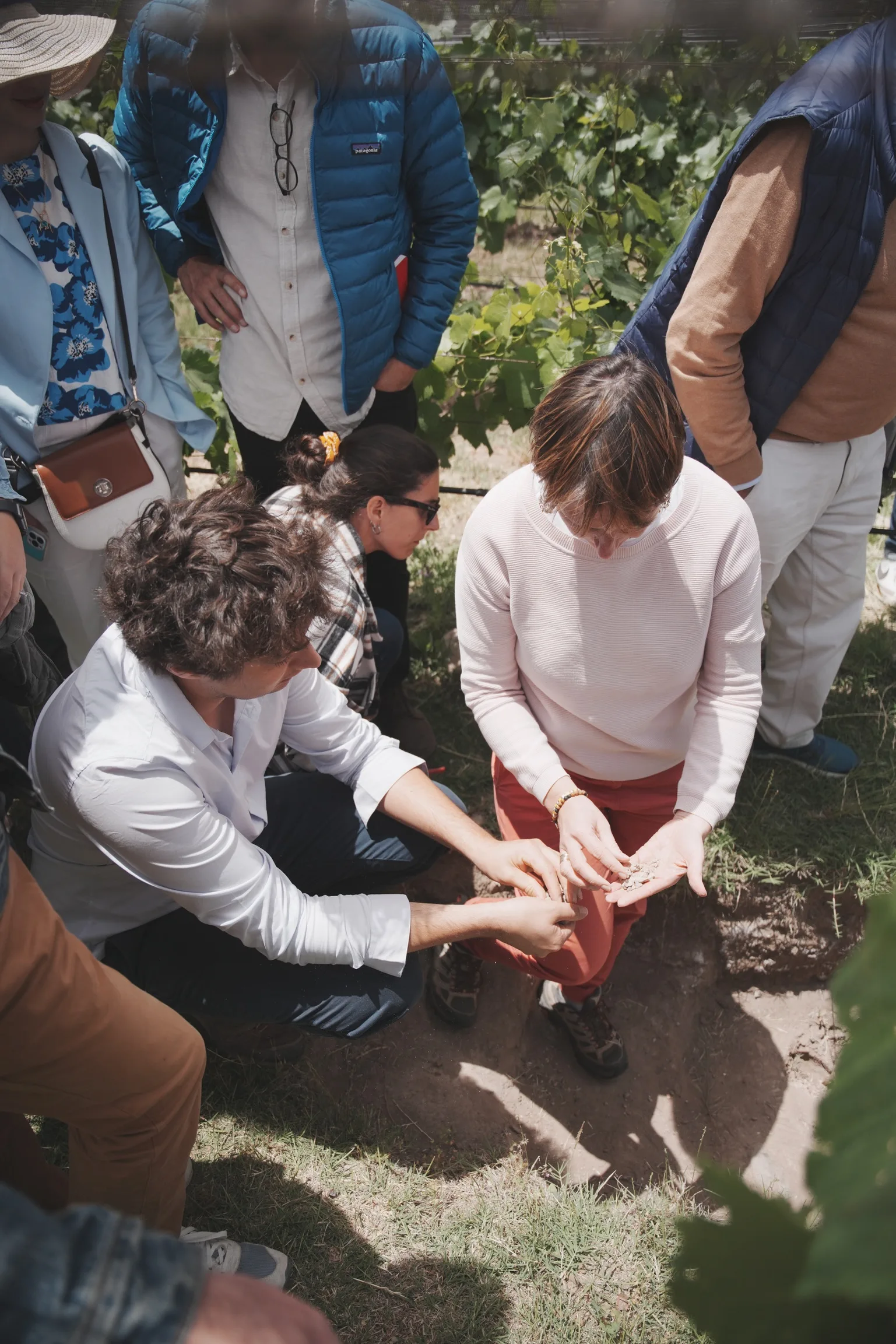
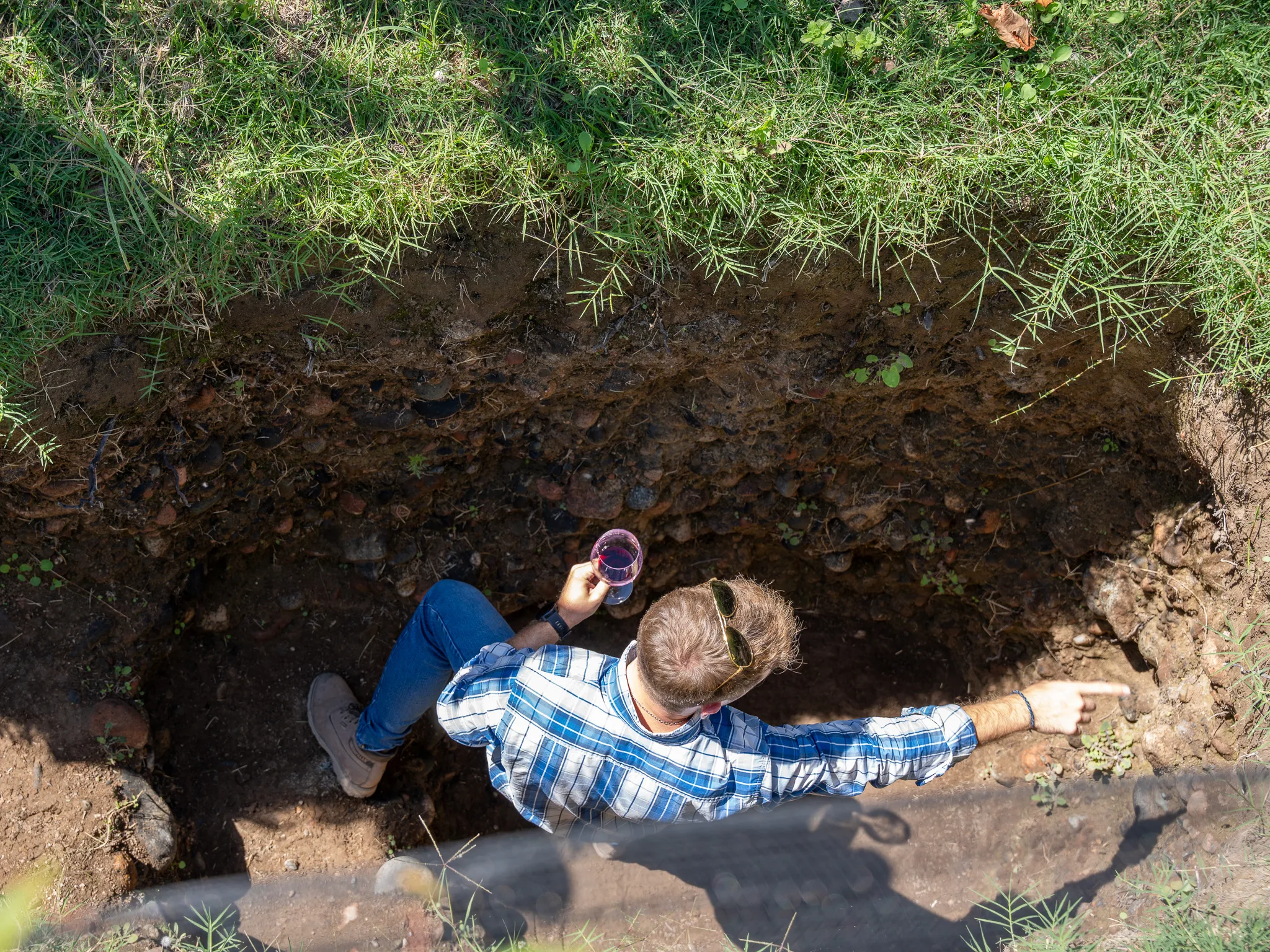
In Adrianna, one may find purely stony profiles where water washed away the top layers, leaving soils that are almost all stone on the surface. Then, a few meters along the same row, there may be a meter of explorable soil with a loose, sandy loam texture. There are also profiles with layers rich in calcium carbonate of variable thickness.
How can it be that wines made from the same grape variety (Malbec), the same vintage, and even the same row have such different qualities depending on their soils? This question led to a three-year study on plot 6 within the Adrianna Vineyard. Alongside CONICET, IBAM, we studied two parcels of shallow (SS) and deep (DS) soils during seasons 2016-2018 (Mezzatesta et al., 2022).
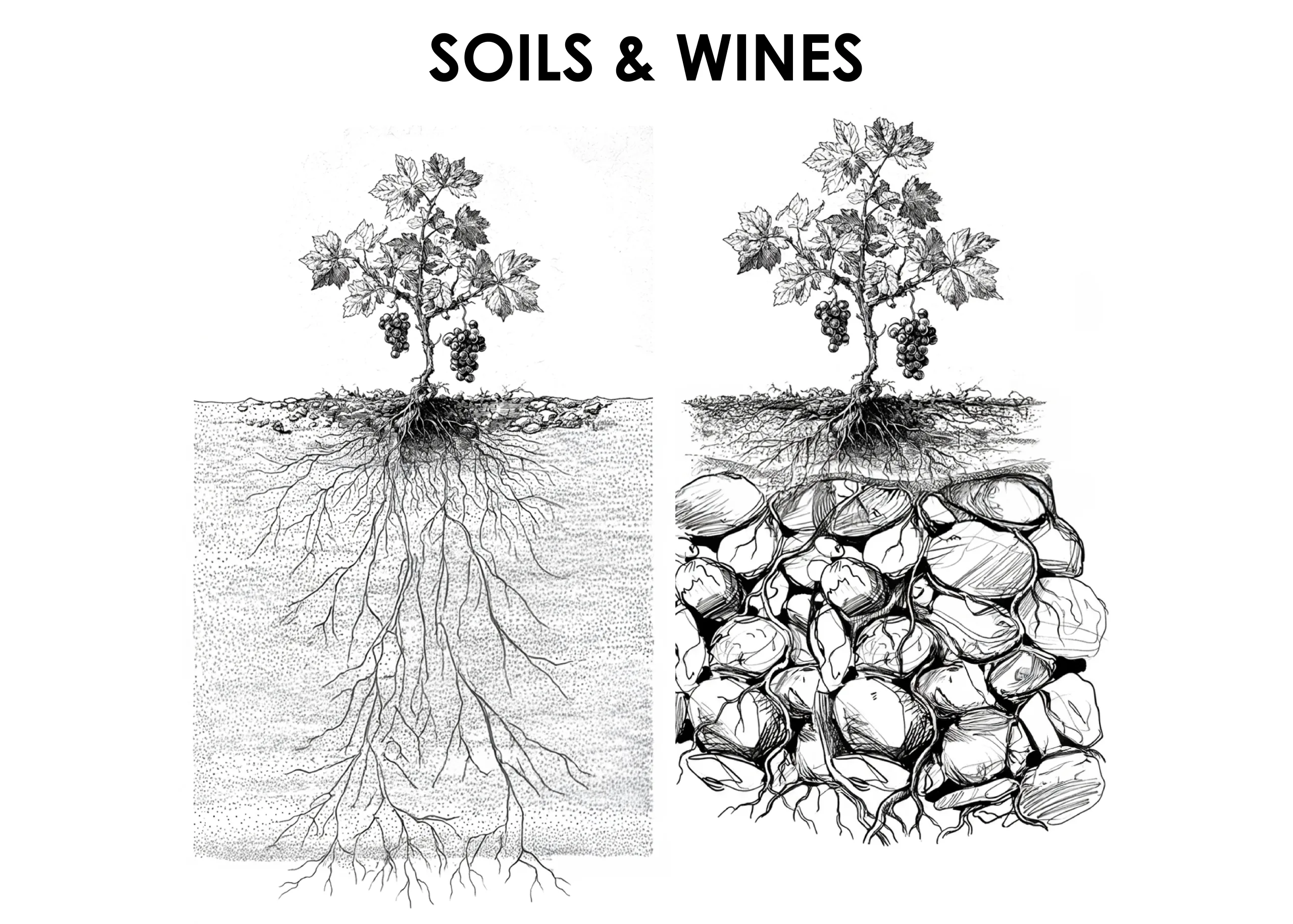
The plant's response to the soil
Grapevines in shallow soil were focused on root production at the expense of vegetative growth, obtaining lower vigor and yields while shortening the grape ripening period. Also in this soil, fine roots were concentrated in hotspots with higher proportions of clay, silt, and organic matter. Deep soils with ample water supply signaled the above-ground plant to continue growing resulting in higher vigor and yields (Mezzatesta et al., 2022).
The Light Environment and its Effect on Wine Quality
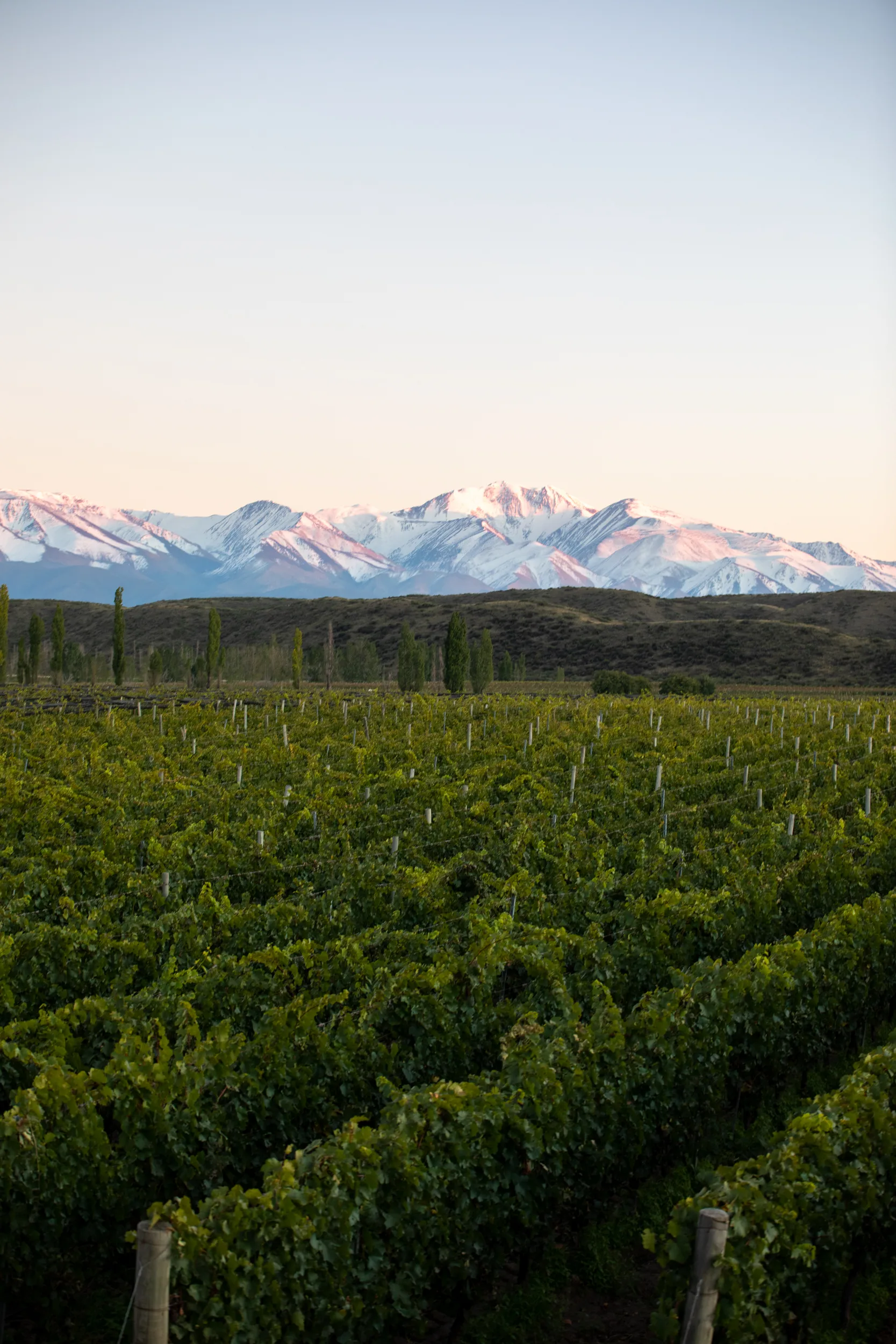
Nicolás Catena Zapata knew that altitude would have an impact on temperatures, moderating warm climates. This is why he set out to find cooler temperatures and explore high-elevation vineyards. Despite being told that grapes would never ripen properly at altitudes as high as Adrianna, at 1450 meters above sea level, he decided to take the risk, which paid off, because not only did the grapes ripen fully, but year after year the wine increased in quality.
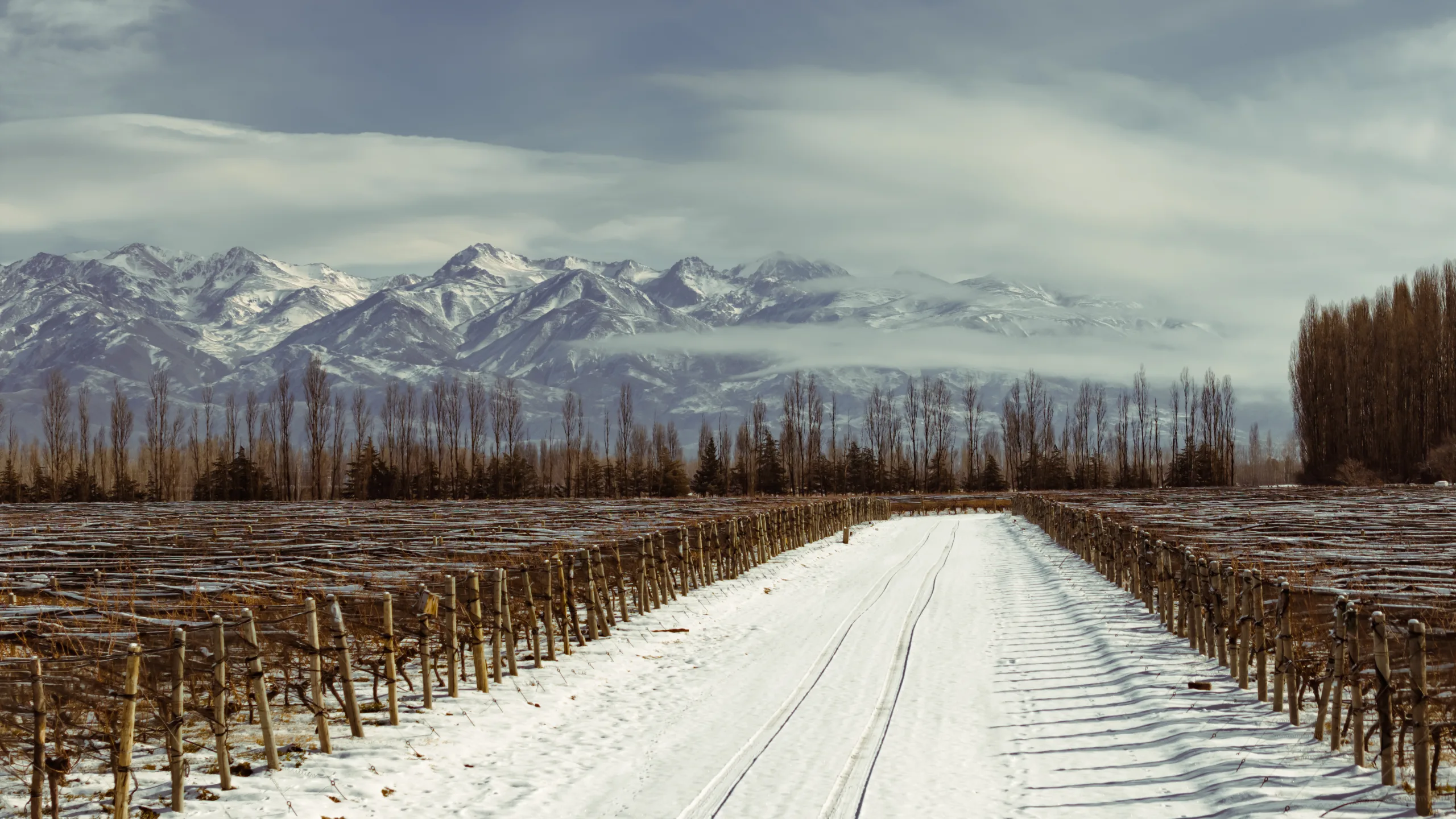
How does high altitude contribute to making the Adrianna wines so special? Two important factors are: sunlight intensity and temperature. This hypothesis became the Catena Institute of Wine’s guiding principle, and together with the Agronomy School and CONICET, since 2004, numerous investigations were conducted to evaluate the effect of sunlight on leaves, grapes, and on our wines.
We discovered that it’s not only the cooler temperatures, but the difference in light quality (Berli et al., 2008) , that contribute to Adrianna Vineyard’s distinctive wines.
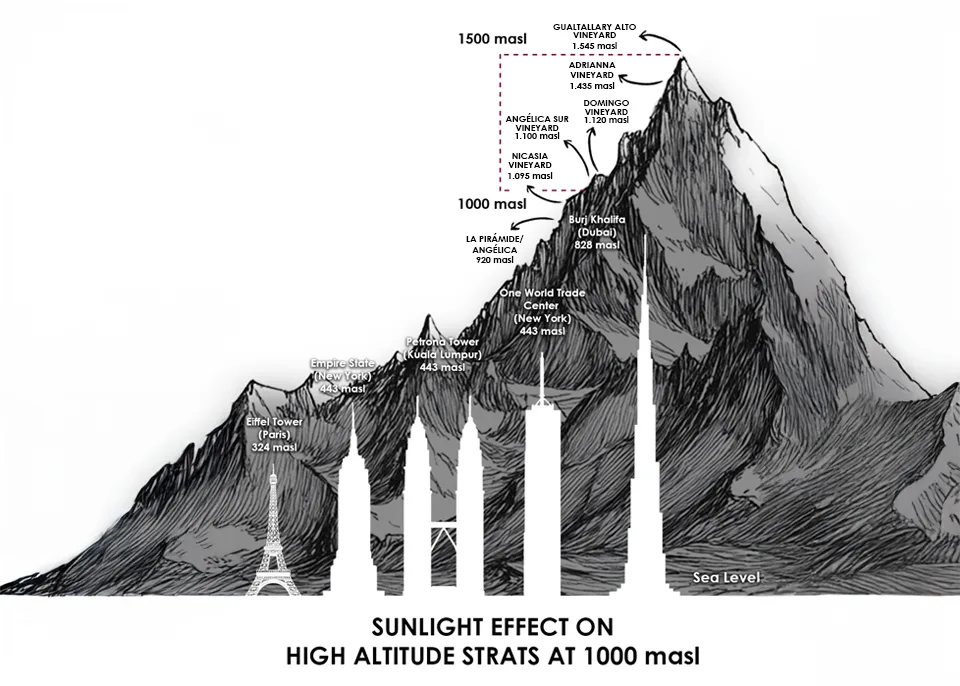
UV-B is the most energetic fraction from sunlight and therefore has the potential to cause the most damage. At high elevations, UV-B levels are increased. This is because of the shorter distance the UV has to travel through the atmosphere, thus allowing more light to get through. The increase in UV-B as you travel from 500 meters to 1000 meters a.s.l. is quite modest, but the increase seen at 1,450 meters—the altitude of the Adrianna vineyard in Gualtallary, Uco Valley, is quite dramatic.
At high-altitude, the light intensity is greater, UV-B levels are increased, and as a result, some of the plant defenses are put in motion, positively impacting wine quality.
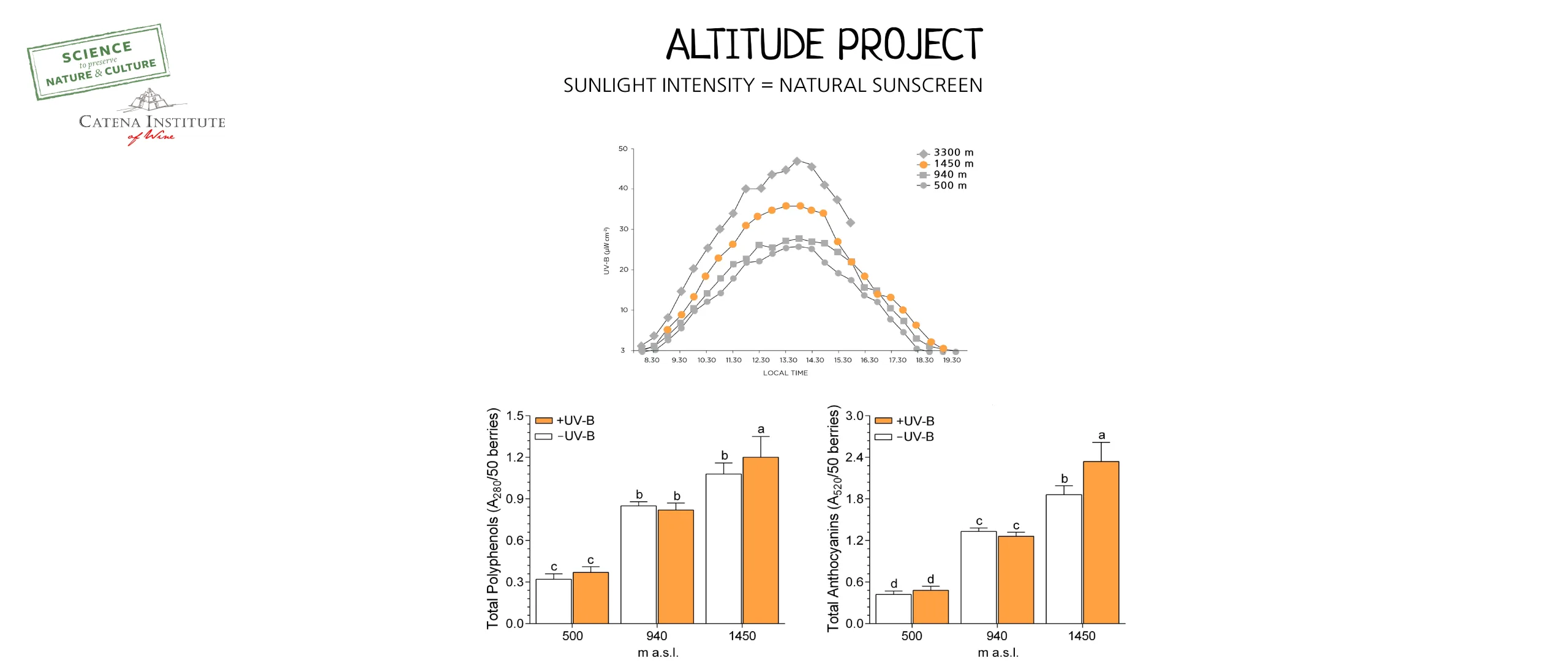
Sunlight intensity = natural sunscreen
Our experiments showed that high intensity of UV-B impact results in:
- Increased levels of pigments that help protect against the intense sunlight
- Fewer leaves per shoot, shorter shoots, less leaf area, less chlorophyll, and less photosynthesis
- Berry growth overall is reduced, but their phenolic content (responsible for the color, concentration, and proper ripening of the grapes) increases.
- Regarding red wine quality, reduced yields (smaller berries) usually have a greater concentration of polyphenols, anthocyanins, and other flavor compounds that are considered desirable. The more polyphenols, the better.
For more information, visit our related publications.
Soil life
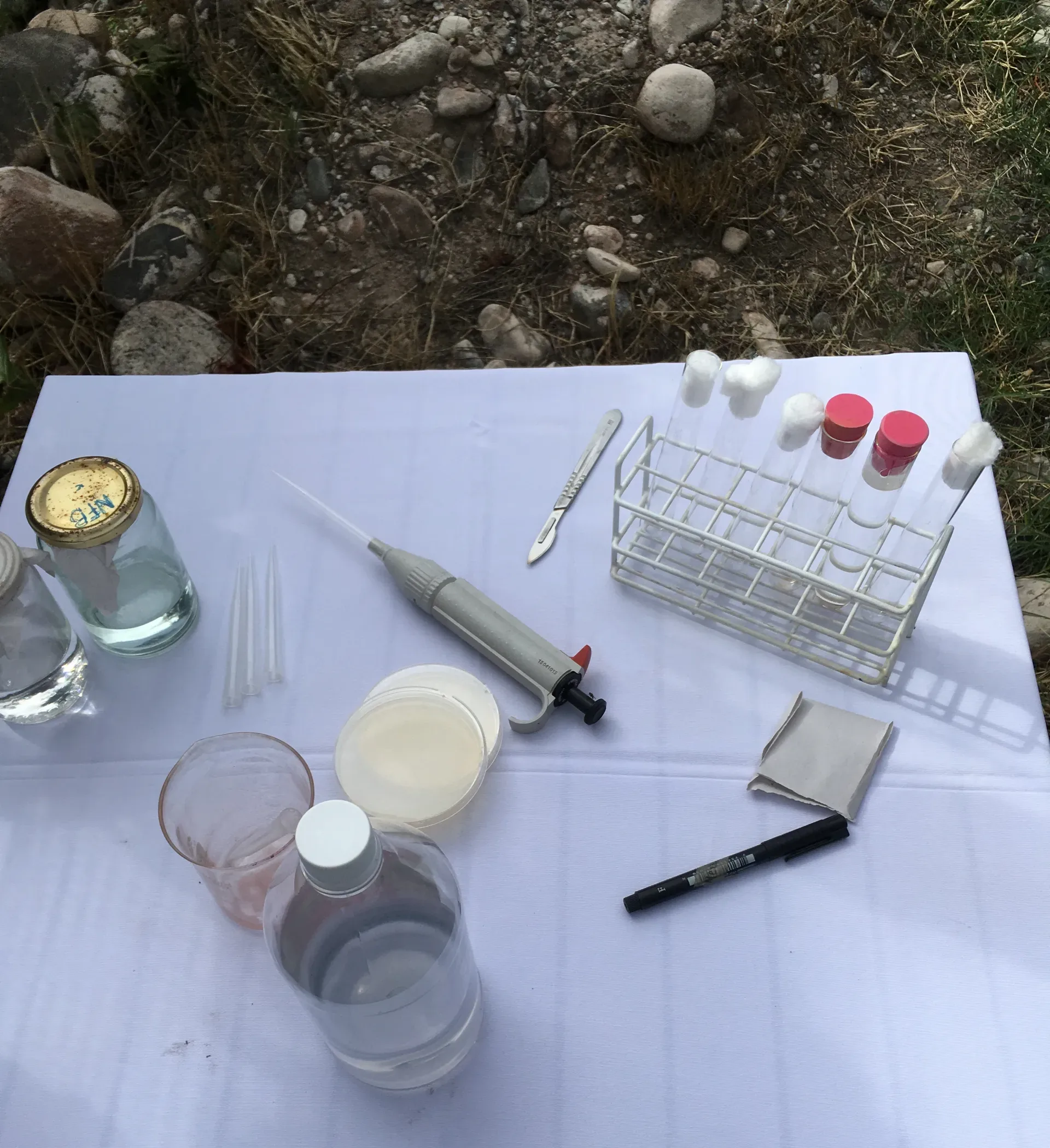
“We conducted microbial soil analysis to understand the impact of rhizobacteria populations on our vines and wine.” – Dr. Adrianna Catena, Catenamics.
There are more organisms in one tablespoon of healthy soil…than there are people on earth. (FAO, 2015 International Year of Soils)
We are starting to learn that soils are very much alive. Through a study conducted with the Faculty of Agrarian Sciences and CONICET, we were able to identify the benefic nature of soil microbes in the Adrianna Vineyard.
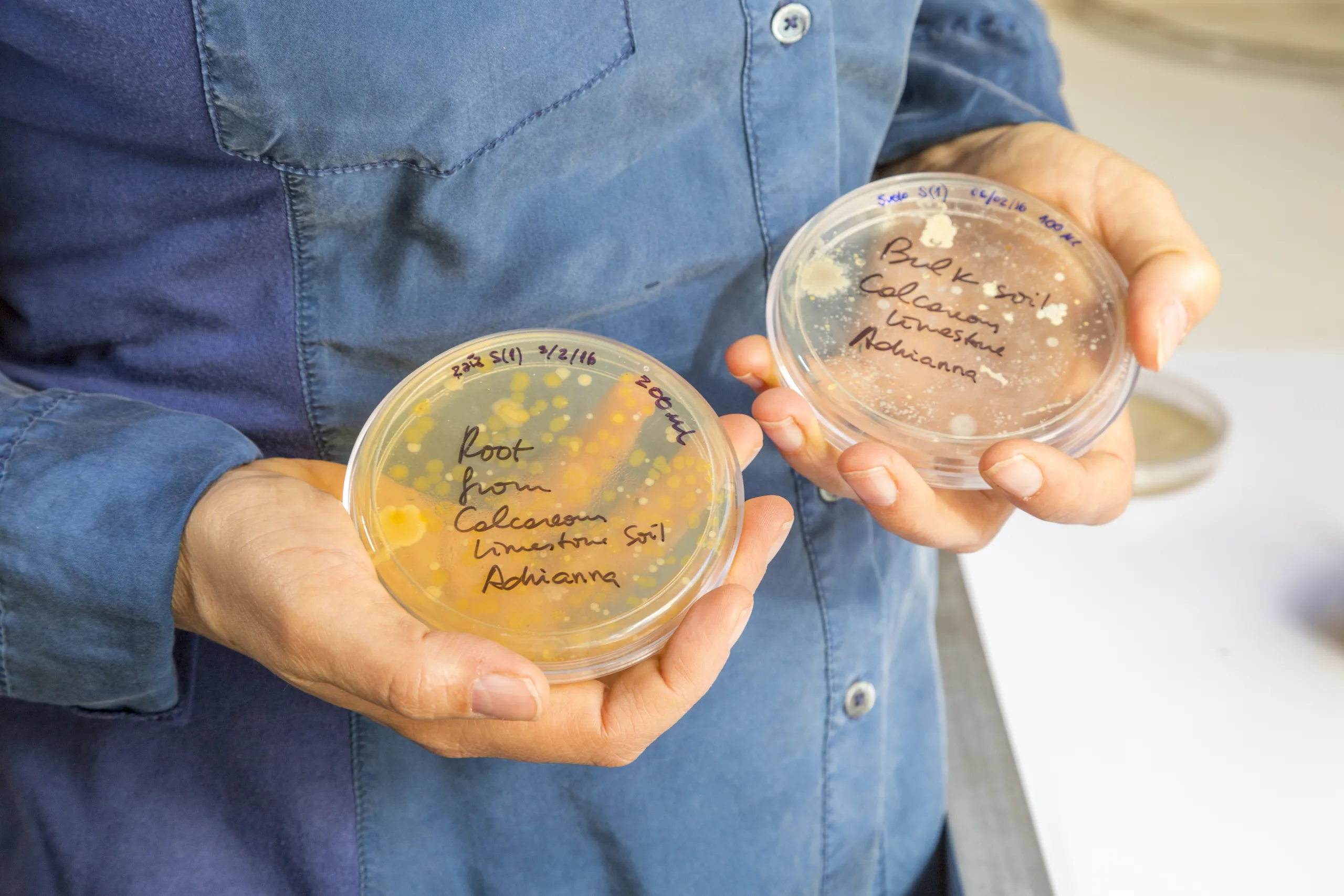
Bacteria living around the roots have proved to be quite important. Alongside CONICET (Salomon et al., 2014) we isolated a group of bacteria (PGPR= plant grown promoting rhizobacteria) from Adrianna’s soils, we found that they helped plants withstand adverse conditions such as cold temperatures, diseases, and even drought.
As a result, one of our most awarded wines is named after these bacteria: Mundus Bacillus Terrae or “Elegant Microbes of the Earth”. The 2021 vintage scored 100 points with Jane Anson and 98+ from Robert Parker Jr’s The Wine Advocate.
For more information check out the Research section.
The effect of soil on grape quality
Moderate water stress in shallow soils can also increase grape quality by increasing the polyphenols found in its resulting wines. In deep soils the phenolic content was more stable but lower, likely due to more shade from bigger leaves and less sunlight exposure on the bunches (Mezzatesta et al., 2022).
Soil properties that shape Adrianna's wine
Resulting wines from shallow and deeep soils we vinified under the same protocol, with no oak, and can be discriminated by a Triangle Test.
Sensory analysis, revealed that expert tasters consistently distinguished and preferred wines coming from stony soils, which were perceived as more acidic and astringent. In contrast, deep soil wines were characterised by sweeter flavours and jam, green pepper, leather, and earthy notes Mezzatesta et al., 2025.

The Importance of Microbial Terroir
Microbiology itself has gone through a huge revolution. For centuries, we could only study 10% of soil life. But today, thanks to DNA testing, scientists can read millions of DNA molecules at once. That is why the Catena Institute of Wine joined Microwine, an EU-funded Marie Curie training network of 15 different PhDs from across the globe, to study how the soil characteristics of the Adrianna vineyard might affect microbial communities living in the soil.
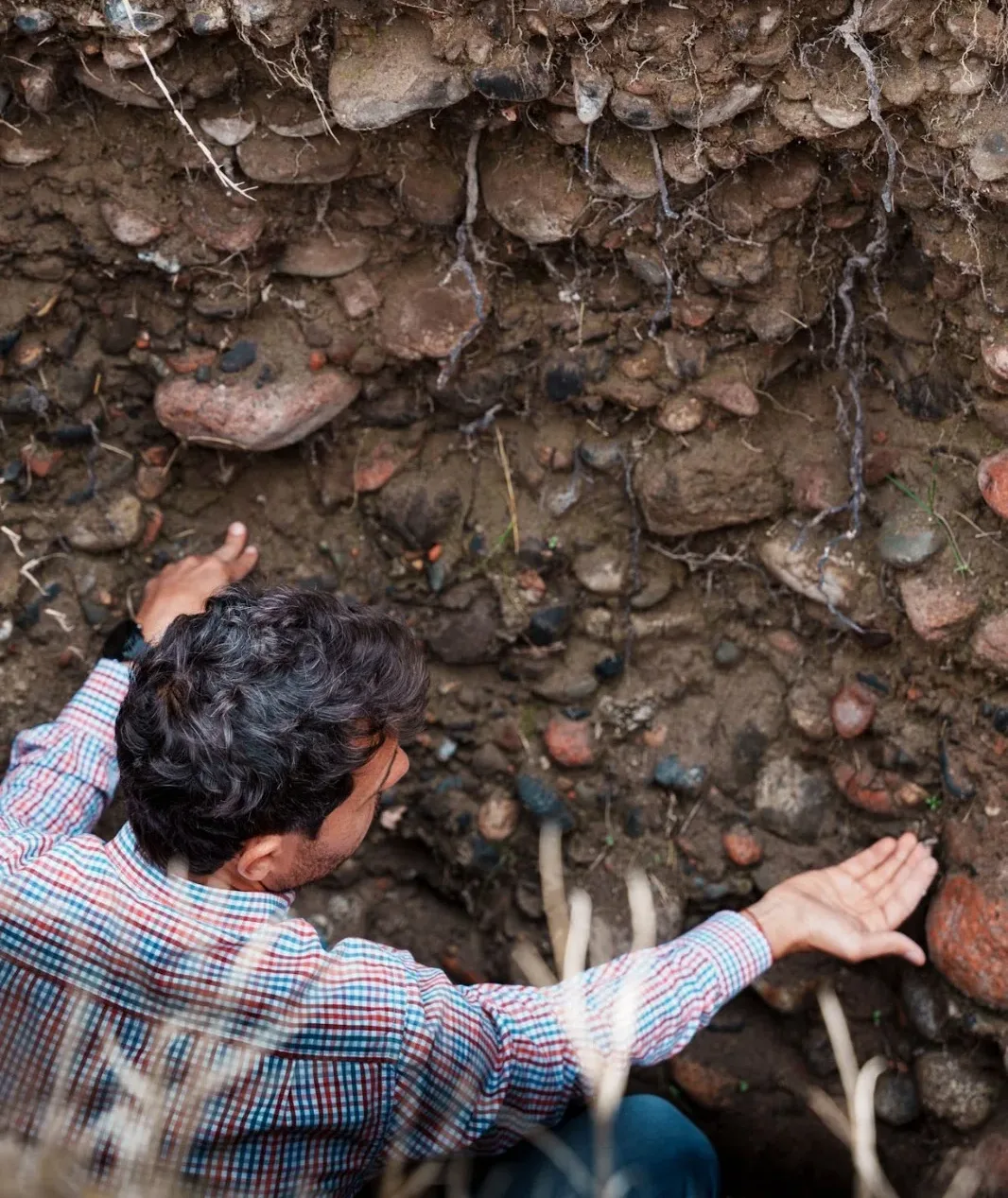
For this soil study (Mezzatesta et al., 2024) we used the same technology one would use to study the DNA of a person. We discovered that soil type, whether stony or not, mattered a lot to fungi. The fungal communities were clearly different depending on how rocky the soil was. For bacteria, the difference wasn’t as dramatic.
Vintage, however, turned out to have the most powerful effect on what was living in the soil. Depth also played a role, especially for fungi. pH influenced bacterial communities, and calcareous soils favored certain groups like Proteobacteria. In the stony soils, fungi were more abundant, and some of these fungi remain unnamed and unknown.
These findings show that even within a single vineyard, soil microbiomes can be completely different depending on soil composition of each parcel. Some researchers call this microbial terroir.